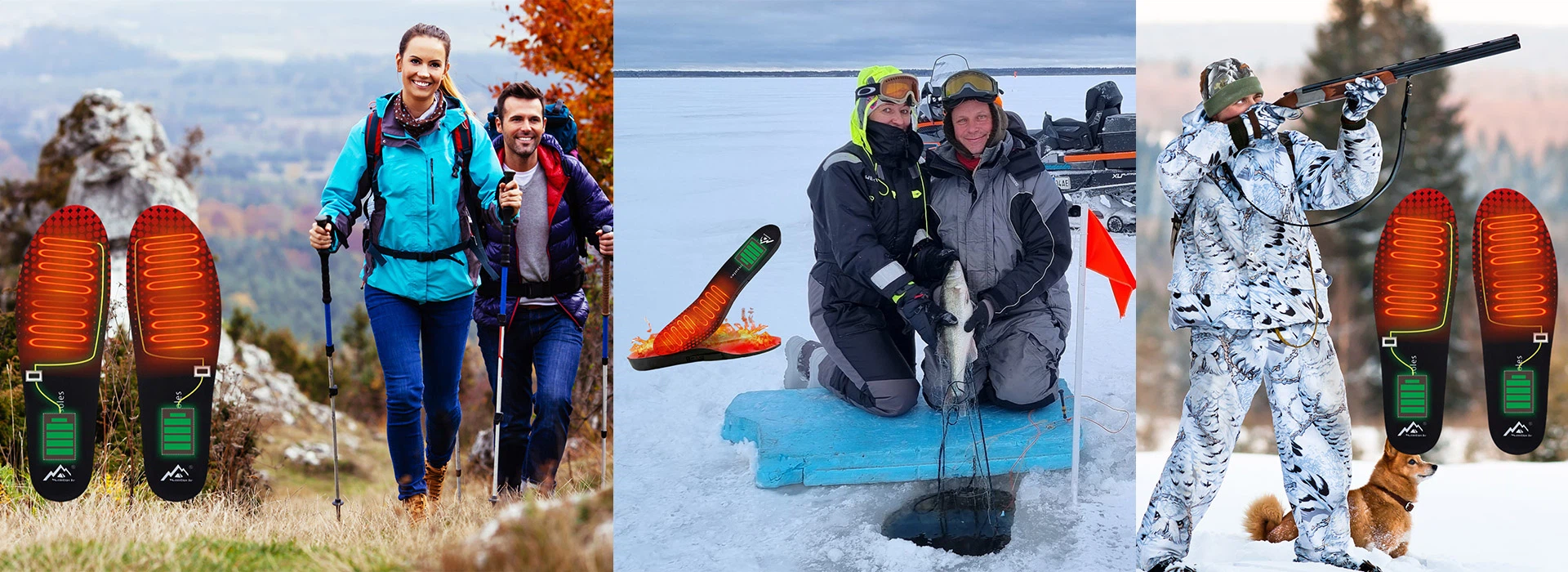
Q: How do heated jackets work?
A: Heated jackets generate heat through built-in heating elements (usually carbon fiber or metal fiber) that heat up quickly when connected to a power source. The temperature of the heating can be controlled by a regulator to provide constant warmth to the user. This design is not only efficient, but also distributes heat evenly, ensuring that the wearer remains comfortable and warm in different environments.
Q: Are heated jackets safe?
A: Yes, heated jackets are very safe. Modern heated jackets are usually equipped with multiple safety protection measures, such as overheat protection, automatic power off function, etc. These features can effectively prevent accidents and ensure the safety of users. In addition, high-quality heated jackets will undergo rigorous testing and certification to ensure that they meet international safety standards.
Q: Do electric heated jackets consume a lot of power?
A: Electric heated jackets consume relatively little power. Most electric heated jackets are designed with low power consumption, which can provide adequate warmth while minimizing energy consumption. For example, some high-end electric heated jackets can be charged via USB ports, which is convenient and energy-saving. In addition, many electric heated jackets are equipped with adjustable temperature settings, so users can adjust the power as needed to further reduce power consumption.
Q: Are heated jackets suitable for outdoor activities?
A: Very much so. Heated jackets are perfect for outdoor activities, whether it is skiing, mountaineering or camping, they can provide the necessary warmth. Their lightweight design will not burden outdoor activities, while the efficient heating system can quickly raise body temperature and help resist cold weather. In addition, many heated jackets are also waterproof and windproof, further enhancing their practicality in adverse weather conditions.
Q: Does the weight of a heated jacket affect daily wear?
A: No. Modern heated jackets use lightweight materials and compact designs, making them about the same weight as ordinary jackets. This means that the extra weight is barely noticeable in daily wear. At the same time, heated jackets come in a variety of cuts and styles, which can meet the needs of different occasions and are both fashionable and practical.
Q: What should I pay attention to when cleaning and maintaining an electric heating jacket?
A: The cleaning and maintenance of an electric heating jacket is relatively simple. Generally speaking, it is recommended to wash by hand and dry naturally, and avoid using a washing machine and dryer to avoid damaging the heating element. When storing, the battery should be removed and stored in a dry and cool place. It is also important to regularly check the wires and connections for wear or damage to ensure safe use.
Q: What are the well-known brands of electric heated jackets?
A: There are many well-known brands of electric heated jackets on the market, such as The North Face, Columbia, Patagonia, etc. These brands have won the trust of consumers with their excellent quality, innovative design and reliable performance. Choosing products from well-known brands can not only get a better use experience, but also enjoy more complete after-sales service.
Q: Are electric heating jackets suitable for all people?
A: Electric heating jackets are suitable for most people, especially those who need to work or move in a cold environment. However, for some special groups, such as pregnant women, heart patients, or people who are sensitive to electromagnetic radiation, it may be necessary to use electric heating jackets with caution or avoid using them. It is best to consult a doctor or professional before use.
Q: Can heated jackets be machine washed?
A: Most heated jackets are not recommended for machine washing, as strong mechanical agitation may damage the heating element and wires. Hand washing is a safer option, using a mild detergent and cold water with gentle rubbing. After washing, it should be dried naturally, avoiding direct exposure to sunlight or using a dryer.
Q: What is the heating range of electric heated jackets?
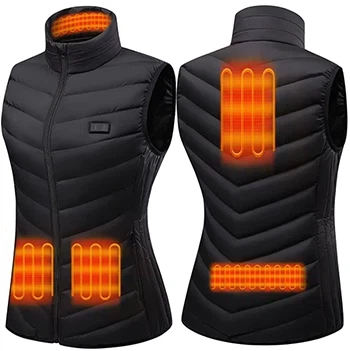
A: The heating range of electric heated jackets usually covers the main parts such as the chest, back and sleeves to ensure that the whole body can get even warmth. Some advanced models also provide multi-zone heating options, allowing users to adjust the temperature of different parts as needed.
Q: Are heated jackets waterproof?
A: Not all heated jackets are waterproof, but many high-end models are somewhat water-resistant. These jackets are usually made of special waterproof fabrics and sealed designs to effectively prevent rain from penetrating. However, even with strong waterproof performance, it is not recommended to wear them for a long time in heavy rain or soak them in water.
Q: How breathable are heated jackets?
A: The breathability of heated jackets varies depending on the material and design. Some high-end models use highly breathable materials and ventilated designs to ensure good airflow while retaining warmth. This is important for long-term wear as it reduces sweat buildup and discomfort.
Q: How quickly do heated jackets heat up?
A: Heated jackets usually heat up quickly, usually within a few minutes, thanks to their efficient heating elements and optimized heat transfer design. Once the desired temperature is reached, the heating system automatically maintains a constant temperature to ensure continued comfort.
Q: What are the maintenance methods for electric heating jackets?
A: In addition to regular cleaning, the following points should be noted when maintaining electric heating jackets: first, avoid long-term exposure to sunlight or high temperature environment; second, keep it dry and ventilated when stored; third, do not fold or press heavily to avoid damaging the heating elements and wires; fourth, regularly check the battery and connections for abnormal conditions and deal with them in time. Following these maintenance methods can extend the service life of the electric heating jacket and maintain good performance.
Q: Are heated jackets windproof?
A: Many heated jackets are windproof to protect against cold winds in cold weather. These jackets often have tightly woven fabrics or special windproof layers to block cold wind from entering the interior space, keeping you warm and comfortable. Some high-end models also use advanced windproof technology and materials to improve wind resistance and durability.
Q: Will the heating elements of electric jackets cause harm to the human body?
A: No. The heating elements of electric jackets are carefully designed and rigorously tested to ensure their safety and reliability. They are usually embedded inside the jacket and isolated by insulating materials to prevent direct contact with the skin and cause burns or other injuries. In addition, the operating temperature of the heating elements is also strictly controlled within a safe range to avoid overheating or fire hazards.
Q: Are heated jackets suitable for extreme low temperature environments?
A: Although heated jackets can provide additional warmth, their effectiveness may be limited in extreme low temperature environments. In this case, it is recommended to use them in combination with other warming measures to achieve better warmth. In addition, choosing a dedicated heated jacket suitable for extreme low temperature environments is also an important consideration because they usually use higher performance materials and technologies to meet the challenges of extreme weather conditions.
Q: Are heated jackets antimicrobial?
A: Some high-end heated jackets use antimicrobial fabrics to inhibit bacterial growth and odor generation, keeping the garment fresh and sanitary. These fabrics are often specially treated to enhance their antimicrobial properties and extend their lifespan while also improving the comfort and health of the wearer.