

Can I use a heated jacket in a freezer?
Jul 23, 2025
Can I use a heated jacket in a freezer? This is a question that many people, especially those working in cold storage facilities or freezer environments, often ask. As a heated jacket supplier, I've had numerous inquiries regarding the suitability of our products for such extreme cold conditions. In this blog, I'll delve into the science behind using heated jackets in freezers, the features of our heated jackets that make them a potential solution, and the practical considerations you should keep in mind.
The Science of Heat and Cold in Freezers
Freezers are designed to maintain extremely low temperatures, typically ranging from -18°C (0°F) to -40°C (-40°F) or even lower in some industrial settings. At these temperatures, the human body loses heat rapidly through conduction, convection, and radiation. Conduction occurs when your body comes into direct contact with cold surfaces, such as metal shelves or freezer floors. Convection is the transfer of heat through the movement of cold air around your body, while radiation is the emission of heat from your body into the cold environment.
Our bodies have a natural internal temperature regulation system, but in such frigid conditions, it can quickly become overwhelmed. Prolonged exposure to these low temperatures can lead to hypothermia, frostbite, and other cold-related health issues. This is where heated jackets come in.
How Heated Jackets Work
Heated jackets are equipped with heating elements that are powered by a battery. These heating elements, usually made of carbon fiber or other conductive materials, generate heat when an electrical current passes through them. The heat is then transferred to the body, helping to maintain a comfortable temperature.
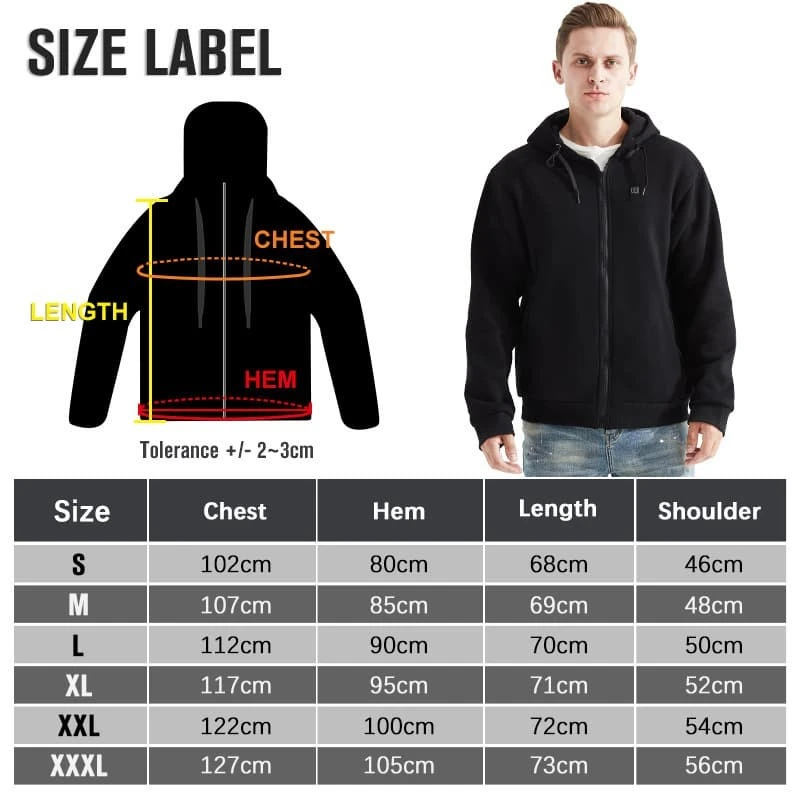
Most of our heated jackets have multiple heat settings, allowing you to adjust the level of warmth according to your needs. For example, our Men’s Grey Heated Hoodie With Zipper – Soft Fleece, USB Powered, 5 Heating Areas features five heating areas, including the chest, back, and pockets. This targeted heating ensures that the most vital parts of your body stay warm, even in the coldest conditions.
Can Our Heated Jackets Be Used in Freezers?
The short answer is yes, our heated jackets can be used in freezers. However, there are several factors to consider to ensure optimal performance and safety.
Battery Performance
One of the most critical factors is the battery. Cold temperatures can significantly affect battery performance. As the temperature drops, the chemical reactions inside the battery slow down, reducing its capacity and the amount of power it can deliver. To mitigate this issue, our heated jackets are equipped with high-quality lithium-ion batteries that are designed to perform well in cold conditions. Additionally, we recommend keeping the spare batteries in a warm place, such as an inside pocket, to maintain their performance.
Insulation
In addition to the heating elements, the insulation of the jacket is also crucial. Our jackets are made with high-quality insulation materials, such as soft fleece, that help to trap the heat generated by the heating elements and prevent it from escaping. This insulation, combined with the heating system, provides excellent warmth in cold environments.
Durability
Freezer environments can be harsh, with sharp edges, rough surfaces, and constant movement. Our heated jackets are built to withstand these conditions. They are made with durable materials that are resistant to tears and abrasions. For example, our camo hunting heated jacket is designed for outdoor activities, including hunting, which means it can handle the rigors of a freezer environment.
Safety Features
Safety is our top priority. All of our heated jackets are equipped with overheat protection and short-circuit protection to prevent any potential hazards. These safety features ensure that the jacket operates safely, even in extreme conditions.

Practical Considerations
While our heated jackets are suitable for use in freezers, there are a few practical considerations to keep in mind.
Layered Clothing
Wearing a heated jacket does not mean you can skip layering. It's still a good idea to wear a base layer of thermal clothing underneath the heated jacket to provide additional insulation. This layered approach will help to keep you warm and comfortable for longer periods.
Movement and Flexibility
Make sure the jacket allows for a full range of motion. You'll need to be able to move freely in a freezer environment, whether you're stacking boxes, operating machinery, or walking around. Our jackets are designed with ergonomic features to ensure maximum flexibility.
Maintenance
Regular maintenance is essential to keep your heated jacket in good condition. Follow the manufacturer's instructions for cleaning and storage. Avoid exposing the jacket to sharp objects or excessive moisture, as this can damage the heating elements and the battery.
Real-World Applications
Many of our customers have successfully used our heated jackets in freezer environments. For example, workers in cold storage warehouses, ice cream factories, and frozen food processing plants have reported significant improvements in their comfort levels. Our Heated Hunting Jacket Mens has also been popular among hunters who often find themselves in cold, outdoor conditions similar to those in a freezer.
Conclusion
In conclusion, our heated jackets can be used in freezers, thanks to their advanced heating technology, high-quality insulation, and robust construction. However, it's essential to consider factors such as battery performance, insulation, durability, and safety features. By following the practical considerations outlined in this blog, you can ensure that your heated jacket provides optimal warmth and comfort in the coldest environments.
If you're interested in purchasing our heated jackets for use in a freezer or any other cold environment, we'd love to hear from you. Please feel free to contact us to discuss your specific needs and requirements. Our team of experts is ready to assist you in finding the perfect heated jacket for your situation.
References
- Principles of Heat Transfer, Incropera and DeWitt
- Cold Weather Safety Guidelines, Occupational Safety and Health Administration (OSHA)