

Do heated pet pads consume a lot of electricity?
Jun 04, 2025
Do heated pet pads consume a lot of electricity?
As a supplier of heated pet pads, I often get asked this question by pet owners who are concerned about both their pets' comfort and their electricity bills. In this blog post, I'll delve into the factors that influence the electricity consumption of heated pet pads and provide you with the information you need to make an informed decision.
How Heated Pet Pads Work
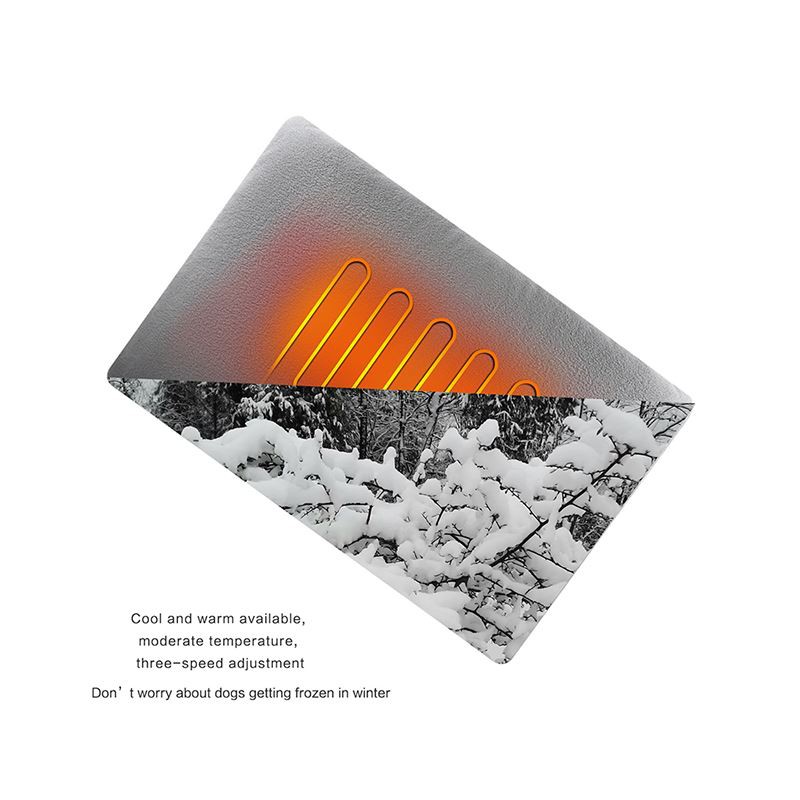
Before we discuss electricity consumption, it's essential to understand how heated pet pads function. Most heated pet pads operate on a low - voltage electrical system. They typically use a heating element, which is usually made of conductive materials such as carbon fiber or metal alloys. When an electric current passes through the heating element, it generates heat. This heat is then evenly distributed across the surface of the pad, providing a warm and cozy spot for your furry friend.
Factors Affecting Electricity Consumption
Wattage
The wattage of a heated pet pad is one of the most significant factors determining its electricity consumption. Wattage measures the rate at which electrical energy is used. Higher - wattage pads will consume more electricity than lower - wattage ones. For example, a heated pet pad with a wattage of 50 watts will use more power than a 20 - watt pad.
Most of the heated pet pads we offer fall within the range of 15 - 60 watts. A 15 - watt pad is suitable for small pets like kittens or puppies, while larger dogs may require a higher - wattage pad, such as a Thermal Dog Pad which can have a wattage of up to 60 watts.
Usage Time
The amount of time the heated pet pad is in use also affects electricity consumption. If you leave the pad on continuously throughout the day and night, it will naturally consume more electricity than if you only use it for a few hours each day. For instance, if you use a 30 - watt pet pad for 8 hours a day, it will consume 240 watt - hours (30 watts x 8 hours) of electricity per day.
Many pet owners find that they only need to use the heated pet pad during colder parts of the day or at night when it's colder indoors. This way, they can save on electricity while still ensuring their pets are warm.
Temperature Settings
Some heated pet pads come with adjustable temperature settings. Higher temperature settings generally require more electricity to maintain. If you set the pad to a very high temperature, the heating element will need to work harder, consuming more power. On the other hand, if you set it to a lower, more moderate temperature, the electricity consumption will be reduced.
Calculating Electricity Consumption
To calculate the electricity consumption of a heated pet pad, you can use the following formula:
[
\text{Energy Consumption (kWh)}=\frac{\text{Wattage (W)}\times\text{Usage Time (h)}}{1000}
]
Let's take a 40 - watt heated pet pad as an example. If you use it for 6 hours a day, the daily energy consumption would be:
[
\frac{40\text{ W}\times6\text{ h}}{1000}=0.24\text{ kWh}
]
The cost of electricity varies depending on your location. On average, in the United States, the cost of electricity is around $0.13 per kWh. So, the daily cost of running this 40 - watt pet pad for 6 hours would be approximately $0.03 (0.24 kWh x $0.13/kWh).
Are Heated Pet Pads Energy - Efficient?
In general, heated pet pads are quite energy - efficient. Compared to other household appliances like heaters or air conditioners, their wattage is relatively low. For example, a typical space heater can have a wattage of 1500 watts or more, while our heated pet pads usually have a maximum wattage of 60 watts.
Moreover, modern heated pet pads are designed with energy - saving features. Some pads have automatic shut - off functions after a certain period of time, which helps to prevent unnecessary energy consumption. Others are equipped with thermostats that regulate the temperature and turn off the heating element when the desired temperature is reached, then turn it back on when the temperature drops.
Outdoor vs. Indoor Heated Pet Pads
If you're considering an Outdoor Cat Warming Blanket, it's important to note that outdoor pads may consume more electricity. This is because they need to work harder to maintain a warm temperature in colder outdoor environments. Outdoor pads often have higher wattages and may need to run continuously to keep your pet warm.
In contrast, indoor heated pet pads can be more energy - efficient as the indoor environment is generally more stable. You can also control the usage time more easily, depending on the indoor temperature.
Safety and Energy Considerations
When using a heated pet pad, safety is of utmost importance. Make sure to choose a pad that is certified by relevant safety standards. Our heated pet pads, including the electric cat warmer, are tested and meet strict safety requirements. This not only ensures the well - being of your pets but also helps to prevent any electrical hazards that could lead to energy waste or even fires.
Conclusion
So, do heated pet pads consume a lot of electricity? The answer is no, not necessarily. By choosing a pad with an appropriate wattage, controlling the usage time, and adjusting the temperature settings, you can keep the electricity consumption of your heated pet pad at a reasonable level.
As a supplier, we are committed to providing high - quality, energy - efficient heated pet pads. Our products are designed to offer maximum comfort for your pets while minimizing energy consumption.
If you're interested in purchasing our heated pet pads or have any questions about our products, please feel free to contact us for a purchase negotiation. We look forward to helping you keep your pets warm and cozy in an energy - efficient way.
References
- "Energy Efficiency of Small Household Appliances." Energy Star.
- "Understanding Electrical Wattage and Consumption." Electrical Safety Foundation International.