Heated Jackets Vs. Heated Vests: Which Product
May 14, 2025
As demand for heated clothing continues to rise globally, one key question that many brands and distributors ask is: "Should we focus on heated jackets or heated vests?" While both categories offer effective warmth, the sales performance of each differs significantly by region, climate, and consumer behavior. Understanding these patterns is essential for making the right product development or purchasing decisions.
1. Northern Europe & Canada: Heated Jackets Dominate
Countries like Sweden, Norway, Finland, and Canada face prolonged sub-zero winters. Here, heated jackets are the best-selling items due to their full-body insulation, wind resistance, and longer heating duration. Consumers prioritize complete upper-body warmth for outdoor activities such as walking, fishing, and commuting. Smart temperature-controlled garments with multiple heating zones and rechargeable battery power are particularly favored in this market.
Tip for OEMs: Offer multiple heating levels and machine-washable fabrics with strong insulation to meet the durability expectations of this market.
2. United States: Regional Split Between Coasts and Midwest
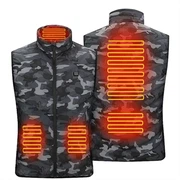
In the U.S., demand is more segmented. Heated vests sell better in temperate coastal regions (e.g., California, Oregon), where users prefer layering over base layers during early winter or transitional seasons. Meanwhile, the Midwest and Northeast favor heated jackets for more serious cold protection. Sales data shows that older adults and outdoor workers are core users for both.
Key Features That Sell: Lightweight heated wear, base-layer compatibility, battery care and safety information, and easy-to-use temperature control.
3. Japan and South Korea: Compact, Layer-Friendly Heated Vests
In East Asia, especially Japan and South Korea, heated vests have seen rapid growth. The preference stems from urban lifestyles and the popularity of minimalist winter fashion. Heated vests are perceived as less bulky, more breathable, and easy to integrate under standard coats or suits. The demand is especially strong among commuters, elderly consumers, and office workers.
Product Strategy: Emphasize diabetes-friendly heated wear and senior-friendly controls in your designs to align with aging populations.
4. Russia & Eastern Europe: Maximum Heat Coverage Required
Russia, Poland, and other parts of Eastern Europe prefer heated jackets with high heating levels and larger battery packs to survive intense cold. Outdoor sports, military-grade applications, and industrial use cases also contribute to higher demand for rugged, full-coverage heated outerwear.
Design Insight: Focus on carbon fiber heating zones, high-capacity lithium-ion batteries, and protection from overheating.
There's no one-size-fits-all in heated apparel. Heated jackets and vests each serve unique needs depending on climate, culture, and usage. As a manufacturer or brand owner, understanding regional sales trends and product expectations helps tailor your offerings and secure a competitive edge in the heated wear industry.