

Why Custom-Made Heated Apparel Is The Future Of B2B Supply
Jul 28, 2025
In the fast-evolving landscape of functional apparel, heated clothing is no longer just a niche product for outdoor enthusiasts. Today, it's becoming a critical solution for industries ranging from construction to defense, logistics to winter tourism. And within this rising demand, one thing is clear: custom-made heated apparel is no longer a luxury-it's the next logical step in B2B supply chain evolution.
Off-the-Shelf Can't Keep Up
Mass-produced heated jackets and vests are widely available, but for companies operating in extreme environments or requiring strict safety protocols, generic solutions fall short. The size distribution might not suit the workforce, the battery interface may not meet local compliance, and insulation levels may be mismatched to actual working conditions. That's where custom-fit heated gear designed per project, team, or climate zone becomes a true advantage.
The B2B Buyer's Real Priority: Adaptability
B2B clients aren't buying warmth-they're buying reliability, workforce protection, and compliance. A construction company sourcing heated vests for winter projects in Norway has very different needs than a logistics firm outfitting drivers in Colorado. The ability to co-develop features like waterproofing, heating zone placement, battery control mechanisms, or even uniform branding, means the gear works for the business, not against it.
Why Custom Manufacturing Works in Heated Apparel
Most heated apparel factories today have matured their supply chain and prototyping systems to enable low MOQ custom production, especially when working with repeat B2B clients. Using modular heating technology (carbon fiber panels, USB-C power connectors, waterproof shell variants), they can build product lines tailored to industries like:
Arctic freight and logistics
Outdoor security & law enforcement
Cold-storage warehouse work
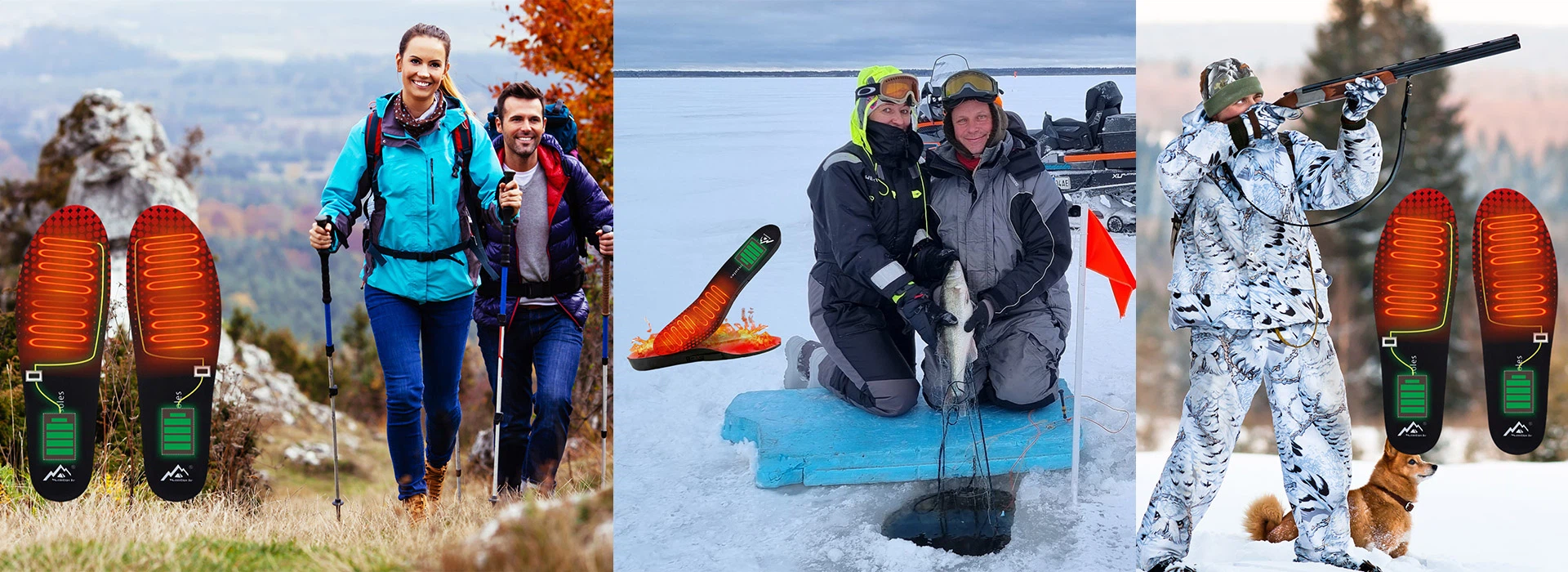
Hunting/fishing tourism services
Urban delivery in winter cities
This means brands and buyers no longer have to choose between performance and flexibility.
Custom-Made Doesn't Mean Expensive
There's a misconception in B2B procurement that custom-made equals high cost and long lead time. In the heated apparel sector, that's outdated. Many Asian OEMs now offer quick-turn sampling, 3D digital prototyping, and even co-branding support. With smart forecasting and stable component supply (batteries, cables, fabrics), custom heated gear can match or even beat the price-efficiency of mass-market imports, especially when local regulations or uniforms are involved.
What Smart Buyers Are Asking For
The most forward-thinking B2B buyers are no longer asking "what products do you offer?"-they're asking:
"Can you integrate our battery system?"
"Can the heat zones match our team's movement pattern?"
"Can this match our safety code?"
"Can it look like part of our uniform?"
These are not style questions; they're operational ones. And smart suppliers are responding with flexible, OEM-ready heated garment programs, not catalog PDFs.
Final Thought: Customization = Longevity
In cold, rugged, or compliance-heavy industries, the longer a product stays in use, the more value it brings. Custom heated gear reduces returns, increases team comfort, and signals a company's commitment to safety and innovation. For buyers, it's not just another seasonal purchase-it's a strategic asset.
The future of heated apparel is not just warm. It's tailored. And it's already here.


