

How to Pack Heated Gear for Travel and Expeditions
May 24, 2025
Introduction
Packing for an outdoor expedition isn't just about staying dry and light-it's about staying warm, too. In extreme environments, heated gear has become essential for comfort, performance, and even survival. Whether you're headed to the Arctic Circle, high-altitude trails, or just preparing for an unpredictable winter adventure, packing the right heated clothing can make or break your trip. This guide walks you through the essentials of packing heated gear smartly and efficiently.
1. Start with the Essentials: What Heated Gear Do You Need?
Heated gear isn't one-size-fits-all. Each trip and temperature range demands a unique set of gear. Here's a breakdown of key items:
Heated Jacket or Vest – Core warmth, adjustable temperature settings, ideal for layering.
Heated Sleeping Bag – Great for overnight warmth without space heaters; essential for subzero expeditions.
Heated Gloves & Socks – Keeps extremities warm and functional; ideal for trekking and tool use.
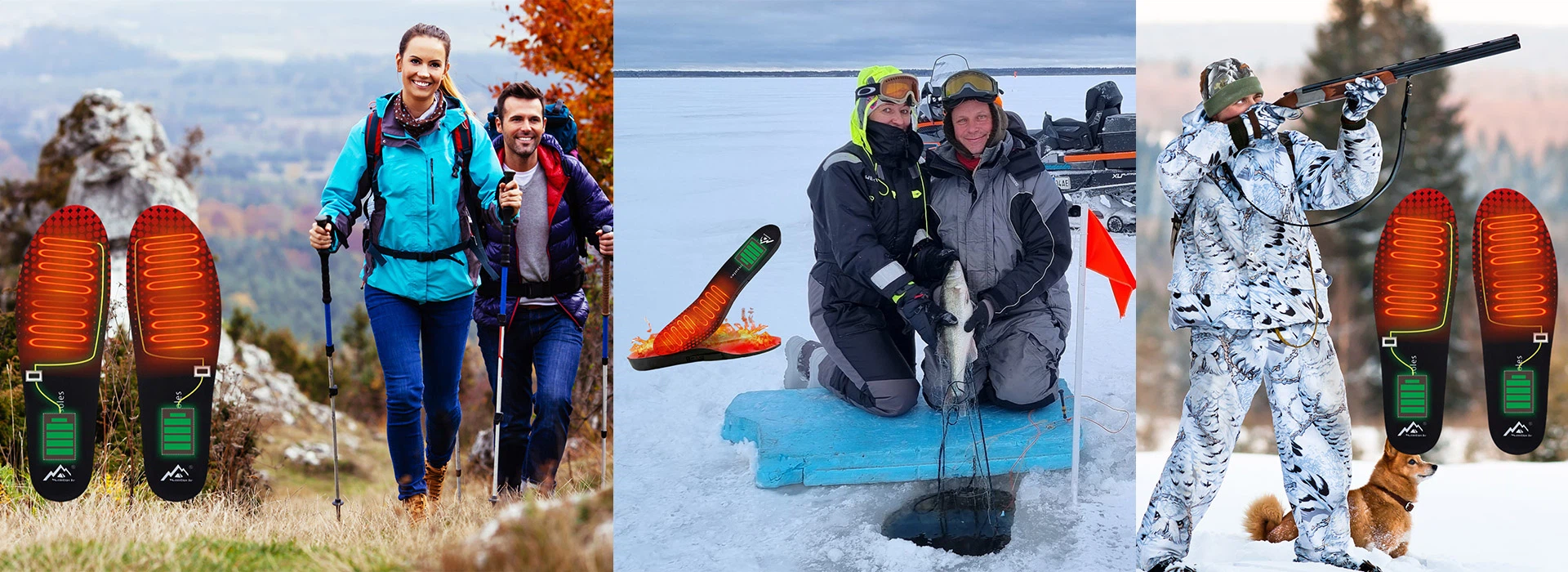
Heated Insoles or Foot Pads – Compact warmth for all-day wear, especially during hikes or long hours standing.
Battery Packs – Extra batteries are crucial. Ensure compatibility, battery life (6–12 hrs), and weight efficiency.
👉 Pro Tip: Check the expected climate conditions and trip duration to tailor your packing list.
2. Optimize Battery Management
Battery life is critical when you're far from power outlets. Here's how to plan:
Bring extra batteries. Don't rely on just one. Opt for lightweight, long-lasting lithium-ion packs.
Use a solar panel or portable power station if you'll be off-grid for extended periods.
Store batteries properly. Keep them in inner pockets to maintain warmth and prevent freezing.
🔋 Pack power-efficient gear with multiple heat settings to reduce unnecessary power consumption.
3. Choose Layer-Friendly Gear
Heated gear should work seamlessly with your base and outer layers. Choose pieces that are:
Compact and compressible – Heated clothing should pack small and bounce back fast.
Moisture-wicking and breathable – Prevents sweat buildup under heated zones.
Weather-resistant – Look for windproof and water-resistant outer shells to support performance.
🎒 Roll items to save space, and keep electronics in waterproof bags.
4. Pack According to Activity and Terrain
Different expeditions call for different setups:
Snow trekking or climbing? Prioritize heated gloves, socks, and jackets.
Camping in -20°C? A heated sleeping bag and a mid-layer vest are musts.
Remote work site? Opt for full-body solutions with strong battery support.
Match gear to terrain-don't overpack items you won't use.
5. Test Before You Travel
Don't wait until you're freezing at 3,000 meters. Run a full gear test:
Check all battery connections and heat levels.
Break in new heated gear to ensure fit and comfort.
Make sure chargers and cables are working and packed.
📋 Create a pre-departure checklist to avoid surprises in the field.
Conclusion: Travel Smart, Stay Warm
Packing heated gear for expeditions is about more than staying cozy-it's about being prepared, smart, and efficient in your thermal strategy. From heated jackets to sleeping bags and smart insoles, modern outdoor travel gear gives you a wearable climate you can count on.
So whether you're venturing into the snowy backcountry of the United States or exploring the frozen frontiers of Canada or Norway, remember: warm is the new smart.


