

Beyond Jackets: Heated Sleeping Bags, Gloves, Socks & More
May 23, 2025
Introduction
In the United States and other cold areas, staying warm is not just a comfort-it is a need. Heated jackets are the most well-known type of heated clothing. However, there are now many battery-powered heated items made for specific tasks and body parts. These include sleeping bags, gloves, socks, and insoles.
This growing range of smart clothing offers a cost-effective and portable option. It is better than using larger systems like space heaters or air conditioners, especially outdoors or in remote places.
1. Heated Sleeping Bags: Full-Body Warmth Over Extended Periods
A battery heated sleeping bag provides warmth for a long time. This makes it great for overnight use in very cold weather.
Unlike regular bags that depend on body heat, these smart bags have heating elements. They keep a higher temperature, even when it gets very cold outside.
Newer models have temperature control settings. This lets users adjust the warmth for their comfort.
Popular in the United States, especially in camping, oilfield work, and winter expeditions where space heaters are impractical.
2. Heated Gloves: Keep Dexterity While Staying Warm
Cold hands can lower blood flow and cause stiffness. This makes it hard to do tasks.
Heated gloves keep hands warm and allow for movement. They are great for jobs that use power tools or need fine motor skills.
The best gloves come in many sizes and have useful features. These include touchscreen compatibility, waterproofing, and battery life of 4 to 10 hours, depending on the settings.
Heated gloves are great for short but intense activities in cold places. This includes snowmobiling, construction, and outdoor work.
3. Heated Socks: Enhancing Circulation in Cold Climates
Heated socks go beyond comfort-they directly support blood flow to your extremities. With wearable devices powered by compact, rechargeable batteries, they provide even warmth across key zones such as the toes and heels. These are more energy efficient than using bulkier solutions like heated floors or space heaters, and they travel easily for outdoor use.
Whether you're hiking, working in polar conditions, or commuting, these socks help you stay warm without restricting mobility.
4. Heated Insoles and Add-Ons: Compact Smart Accessories
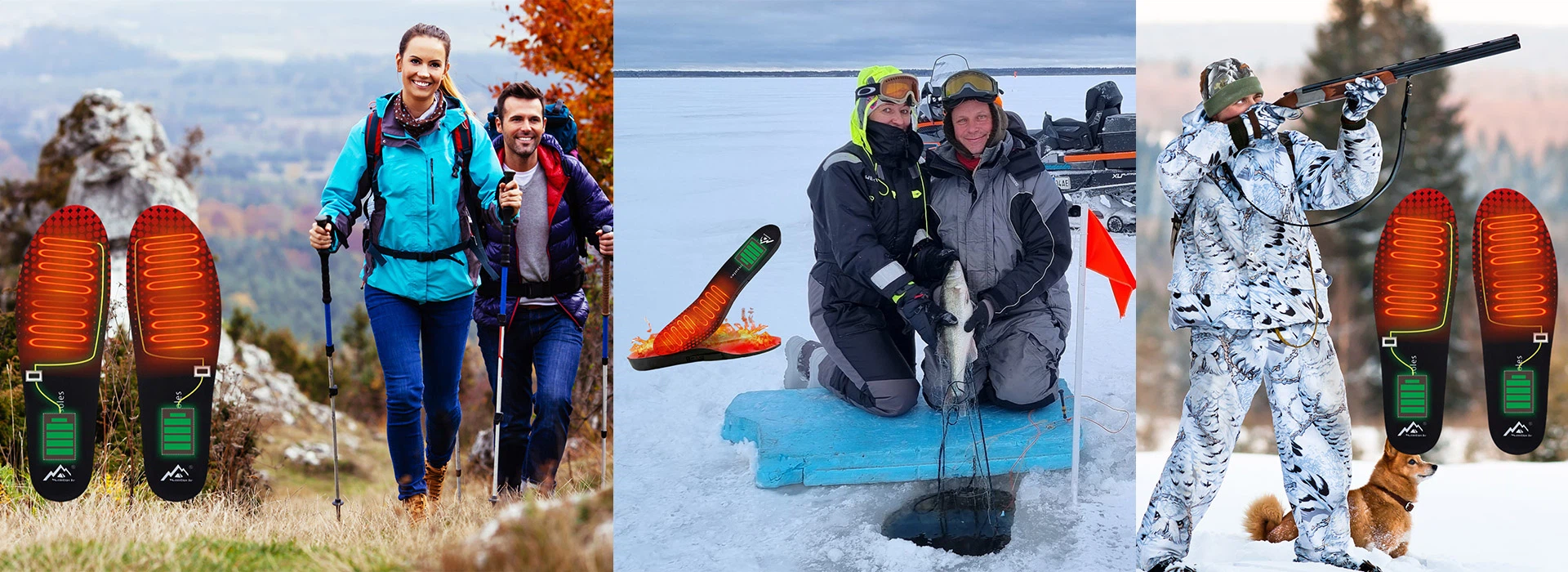
Heated insoles and wearable pads are compact enough for daily use yet powerful enough to deliver targeted heat. Some versions sync with your phone or smartwatch, providing real-time health data like foot temperature or physical activity levels. Others come with pre-set thermostat settings, ideal for users who want to toggle between different heat levels quickly.
These accessories offer a cost-effective, flexible way to manage power consumption while ensuring warmth in motion.
5. Military Origins, Civilian Evolution
Originally developed for soldiers facing freezing temperatures, today's heated gear has been adapted for civilians across industries. The shift from military-grade gear to lightweight, flexible civilian products demonstrates the growing demand for smart wearables that can stay warm, adjust to real-time conditions, and fit a range of outdoor applications.
The Expanding Ecosystem of Heated Gear
The rise of heated wearables shows more than just tech progress. It shows a cultural change toward smart wearables. These devices respond to the environment, track health data, and lessen the need for heavy heaters or air conditioners. You can find many tools for different situations.
These include preparing for a snowstorm in the U.S. or getting ready for work in remote areas. You can create your own wearable microclimate.
Just like you'd find on Wikipedia, the free encyclopedia, understanding these tools gives users the knowledge to make smart, warm, and practical decisions in cold weather gear.


