

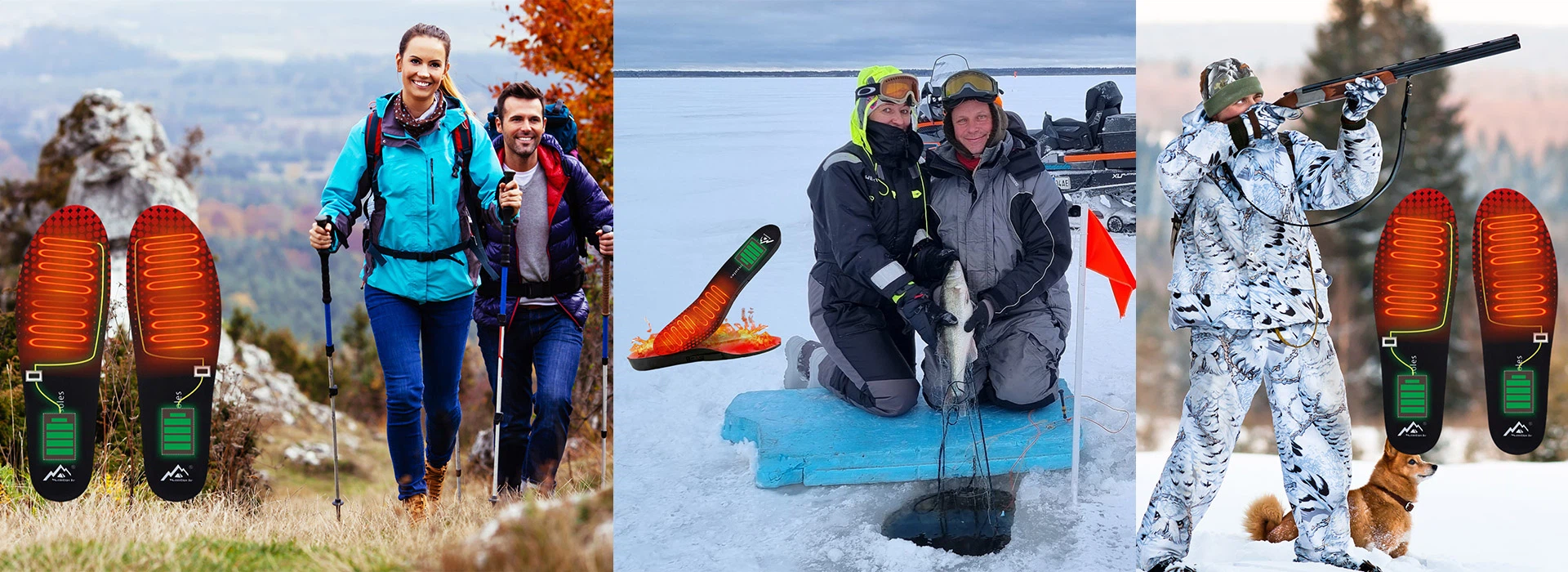
Wearing a Microclimate: How Wearable Tech Is Rewriting Thermoregulation
May 22, 2025
Introduction
What if your clothes didn't just keep you warm, but actively managed your temperature-responding to your body and your environment like a second skin? Welcome to the future of wearable thermoregulation, where heated clothing, smart fabrics, and AI-driven sensors are changing how we experience comfort in cold weather.
1. The Human Body & Its Limits in Temperature Regulation
The body naturally tries to stay at 37°C. But in extreme conditions-whether commuting in a snowstorm or hiking a frozen trail-our internal systems can't keep up. That's where smart clothing steps in, helping to maintain thermal balance more precisely.
2. How Heated Apparel Creates a Microclimate
Modern heated jackets, vests, and gloves use embedded heating elements powered by battery packs to generate warmth across specific heat zones. With multiple temperature settings, these garments allow wearers to adjust their own microclimate anytime, anywhere.
3. Tech Behind the Warmth
From rechargeable batteries lasting up to 12 hours, to weather-resistant outer shells, today's heated gear is the result of advanced engineering. Wearable sensors can even track motion and ambient temperature, allowing adaptive heat settings in real time.
4. Day-to-Day Comfort Meets High-Performance Function
For winter commuters, outdoor workers, and snow sports lovers, smart heated apparel removes the guesswork of layering. Whether it's a women heated jacket or battery heated base layer, these garments offer consistent warmth and freedom of movement.
5. From Military to Mainstream
Originally developed as military heated apparel, these innovations are now reshaping civilian clothing. Soldiers used electric heated clothing to survive in harsh climates-now, hikers and skiers enjoy the same tech with added style and usability.
6. The Future: Smarter, Smaller, Seamless
We're heading toward clothing that not only heats but learns-anticipating user habits, syncing with weather forecasts, and managing personal climate autonomously. This future of smart apparel means clothing that doesn't just respond-but thinks.


