

Heated Gear For Wildlife Observers & Birdwatchers
Jun 07, 2025
Stay Still, Stay Warm: Heated Gear for Wildlife Observers and Birdwatchers
Introduction: Nature Rewards the Patient
Wildlife watching is a waiting game. Whether you're tracking elk through foggy forests or quietly observing migratory birds before dawn, your success depends on staying silent, still - and warm. Without the right gear, cold discomfort can ruin the best sightings. That's why heated clothing is a game-changer for birdwatchers and wildlife enthusiasts.
Why Wildlife Watchers Need Specialized Heated Gear
Unlike hikers or skiers, wildlife observers often remain stationary for hours. This stillness magnifies the effects of cold, especially during early mornings or in wet terrain. Key challenges include:
Cold fingers = trouble using binoculars or cameras
Body stiffness = delayed reaction when spotting rare species
Sudden shivers = noise that scares off wildlife
Energy loss = short attention spans or early departure
Must-Have Heated Gear for Birding & Wildlife Watching
1. Silent Heated Jackets
Choose heated jackets with low-noise fabrics to prevent rustling sounds. Look for:
Multiple heat zones: chest, back, neck
Adjustable settings for subtle warmth
Slim profile that works with camo or earth-tone layers
2. Heated Vests for Layering
A heated vest under a waterproof shell offers core warmth without limiting mobility - ideal for spotting scopes or holding binoculars for long periods.
3. Dexterous Heated Gloves
You'll need warmth and dexterity. Look for:
Heated gloves with finger-fold or touch-screen compatibility
Quick heating within 10 seconds
Breathable and water-resistant materials
4. Heated Seat Pads
Staying warm from the bottom up matters too. Heated seat pads are ideal for bird blinds, tree stands, or benches in wildlife reserves.
5. Heated Socks & Insoles
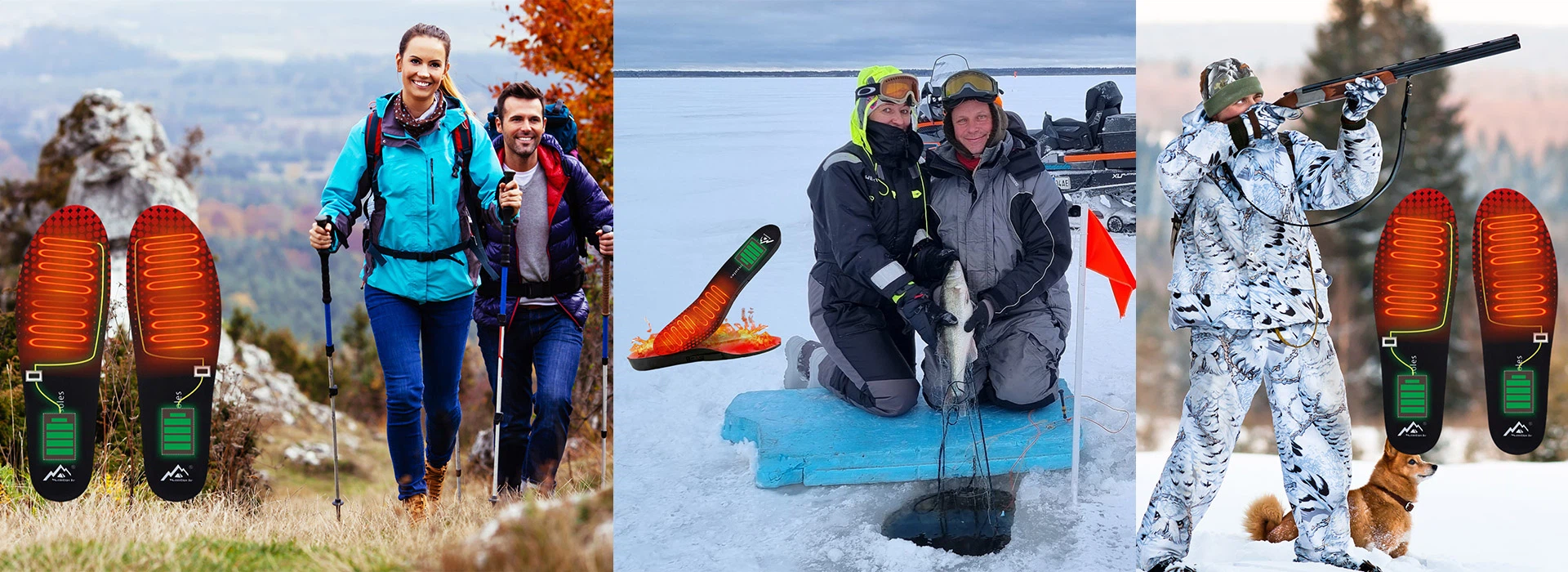
Cold feet are common during early-morning waits. Heated socks promote circulation and prevent numbness.
Field-Tested Tips for Wildlife Watchers
Preheat gear before sunrise outings
Carry portable battery packs (USB type-C recommended)
Dress in muted, earth-tone colors to stay hidden
Use heated accessories with quiet operation - no buzzing or LED lights
Avoid over-layering - bulk reduces movement and comfort
Safety & Power Considerations
Use waterproof or IPX-rated heated gear for dew or light rain
Avoid placing batteries near areas that press against tree trunks or rocks
Always bring a manual backup (non-electric gloves or blankets)
Conclusion: More Comfort, More Encounters
With the right heated clothing, cold mornings become opportunities - not obstacles. You stay longer, move less, and see more. For wildlife observers and birdwatchers, staying warm is more than comfort - it's strategy. Power your passion, quietly.


