

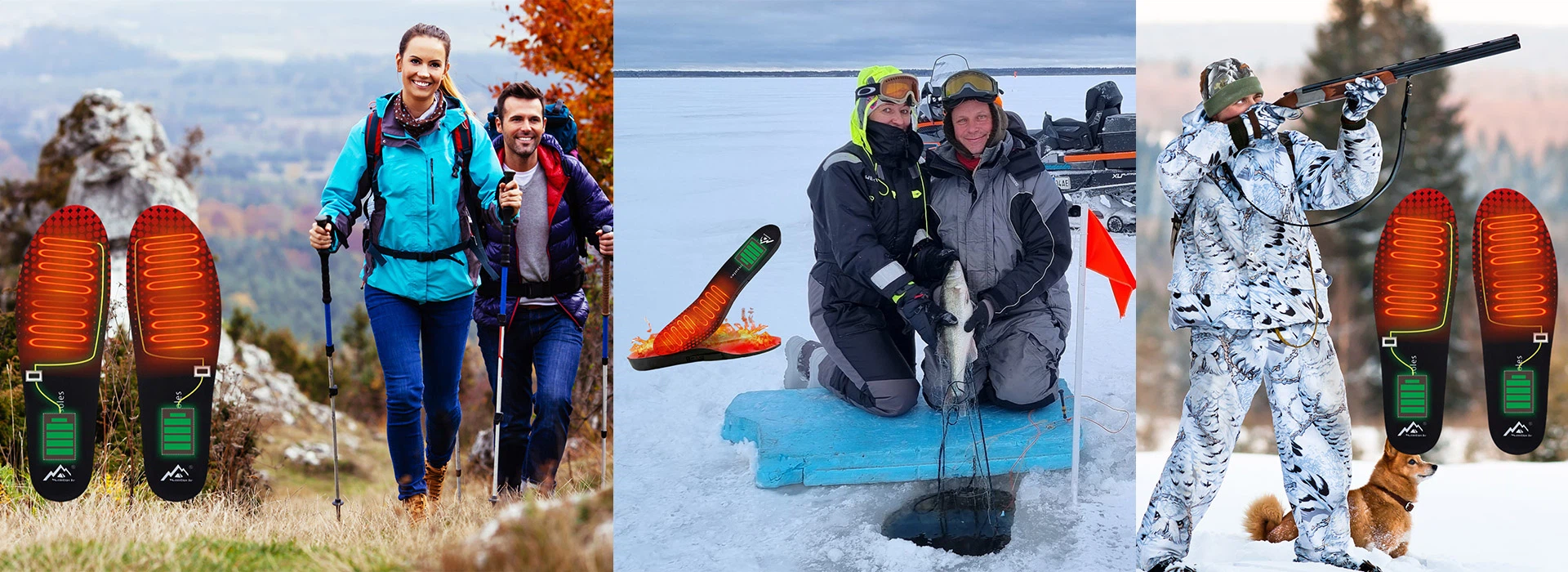
Should You Use Heated Gear in Extreme Cold? Tips & Warnings
Jun 11, 2025
Introduction: Heated Gear vs. Harsh Winter Reality
Heated jackets, gloves, and socks are a game-changer in cold weather. But what happens when temperatures plummet far below freezing? Can heated gear really keep you warm in extreme cold-say, -20°C (-4°F) or lower?
The short answer: yes, but with limitations.
In this article, we explore how heated clothing performs in sub-zero conditions, what safety precautions to take, and how to layer for reliable warmth and comfort.
What Qualifies as "Extreme Cold"?
"Extreme cold" generally refers to temperatures below -10°C (14°F), with some experts defining it as -20°C (-4°F) or colder. In these conditions, your body loses heat rapidly, exposed skin can freeze within minutes, and standard winter wear often falls short.
This is where heated gear can help-but only when used properly.
How Heated Jackets Perform in Sub-Zero Temperatures
Heated jackets and accessories work by using battery-powered heating elements embedded in the fabric. Most commercial heated jackets provide warmth through:
Carbon fiber or steel-wire heating pads
Rechargeable lithium-ion battery systems
Multi-zone heating (chest, back, sometimes collar and arms)
Adjustable temperature control (often 3 heat settings)
In mild winter, this system works flawlessly. But in extreme cold, challenges arise:
🔋 Battery Drain
Cold temperatures dramatically reduce battery performance. A battery that lasts 8 hours at 10°C may only last 3–4 hours at -15°C due to lithium-ion chemistry.
🔥 Heat Output Limitations
Most heated jackets are rated to deliver around 5–10 watts per heating zone. This provides localized warmth but can't fully insulate your whole body in harsh weather.
❄️ Risk of Moisture or Ice
Snow melt, condensation, or sweat can cause wiring corrosion or short-circuits if the gear isn't properly sealed.
Heated Gear Is Not a Substitute for Insulation
It's tempting to think that heated clothing replaces the need for thick winter wear. In reality, heated gear should be treated as a supplement, not a substitute.
Relying solely on heat pads is risky. If the battery dies mid-trip-or the electronics fail-you're left vulnerable. That's why layering remains essential.
Best Practice: The Layering System with Heated Gear
|
Layer |
Purpose |
Example Materials |
|
Base Layer |
Moisture-wicking, thermal regulation |
Merino wool, synthetic blends |
|
Mid Layer |
Insulation |
Fleece, down, wool |
|
Heated Layer |
Supplemental heat |
Battery-heated jacket or vest |
|
Outer Shell |
Weather protection |
Waterproof/breathable fabric (Gore-Tex) |
Use the heated jacket between the mid-layer and the shell, or as a mid-layer itself under a windproof shell. This traps warmth and protects the electronics from snow, wind, and rain.
Safety Tips for Using Heated Gear in Extreme Cold
✅ Pre-Warm Your Gear Indoors
Start your heated gear indoors so the battery isn't activated from a cold state-it improves runtime and performance.
✅ Keep Spare Batteries Warm
Store extra batteries inside inner pockets or insulated pouches close to your body to prevent voltage drop due to freezing.
✅ Avoid Direct Contact with Wet Skin
Wearing heated gear on damp skin (from sweat or snowmelt) increases the risk of skin irritation or electrical malfunction.
✅ Inspect for Damage Before Every Trip
Extreme cold can make wires brittle. Check for cracks, exposed circuits, or loose connectors.
✅ Turn Off When Not Moving
If you stop hiking or working for a while, conserve battery power by turning down the heat setting or switching off temporarily.
Who Benefits Most from Heated Gear in Extreme Cold?
|
Use Case |
Heated Gear Benefit |
|
Cold storage workers |
Supplemental heat during long exposure |
|
Ice fishing / snow hunting |
Passive activity = heat loss risk |
|
Alpine ski touring |
Boosts comfort during breaks or chairlifts |
|
Photographers |
Static positions in snow demand local heat |
|
Emergency responders |
Reliable heat when mobility is limited |
These users benefit from having targeted warmth, especially in core areas like the chest, back, and hands.
Limitations to Keep in Mind
Heated gear is not ideal for:
Prolonged arctic exposure without backup layers
Wet conditions without waterproof outer shell
Rapid-intensity activities where sweat accumulation becomes an issue
Environments without access to battery recharging
Pro Tips to Maximize Heated Gear Efficiency
Use power banks rated for low-temperature performance
Choose gear with removable batteries for easier switching
Prioritize multi-zone heat control for flexible warmth
Avoid overly snug fit-compression reduces insulation efficiency
Conclusion: Use It, But Use It Wisely
Yes, heated gear can be a powerful ally in extreme cold-but only if you treat it as part of a broader strategy. It offers relief, comfort, and added safety, but it won't work miracles alone.
Layer properly. Respect your battery's limits. Stay dry.
Do that, and your heated jacket can make even the coldest days more bearable.
Explore Heated Gear Designed for Extreme Conditions
At MiracleHeatedLine.com, we build heated clothing tested in sub-zero environments. Our gear is trusted by snowmobilers, hunters, and cold-climate workers.
👉 Shop Extreme Cold Heated Jackets Now


